Mississippi Native Plants Guide

Your Home Should Feel Like Your Home

Let's talk about Native Plants

Your landscape should feel like home. Not a source of weekend stress. Not a money pit. Just a beautiful, living space that welcomes you outside and lets you breathe.

But here’s the thing about Madison County, Mississippi. Our soil is stubborn. Our summers are brutal. Our rain comes in floods, then vanishes for weeks. Plants from other places? They struggle here in central Mississippi. They yellow. They wilt. They become expensive experiments that end in the compost pile.

I’ve watched this happen for 18 years across Madison County.

As a Licensed Landscape Horticulturist working throughout Madison, Ridgeland, Canton, and the greater Jackson metro area, I’ve learned which plants love it here—and which ones just pretend. This guide shares that knowledge. No jargon. No sales pitch. Just honest information about native plants that actually thrive in Mississippi soil, Mississippi heat, and Mississippi humidity.

Because your Madison County backyard deserves plants that want to be there.

Why Madison County Is Hard on Plants (And What That Means for You)
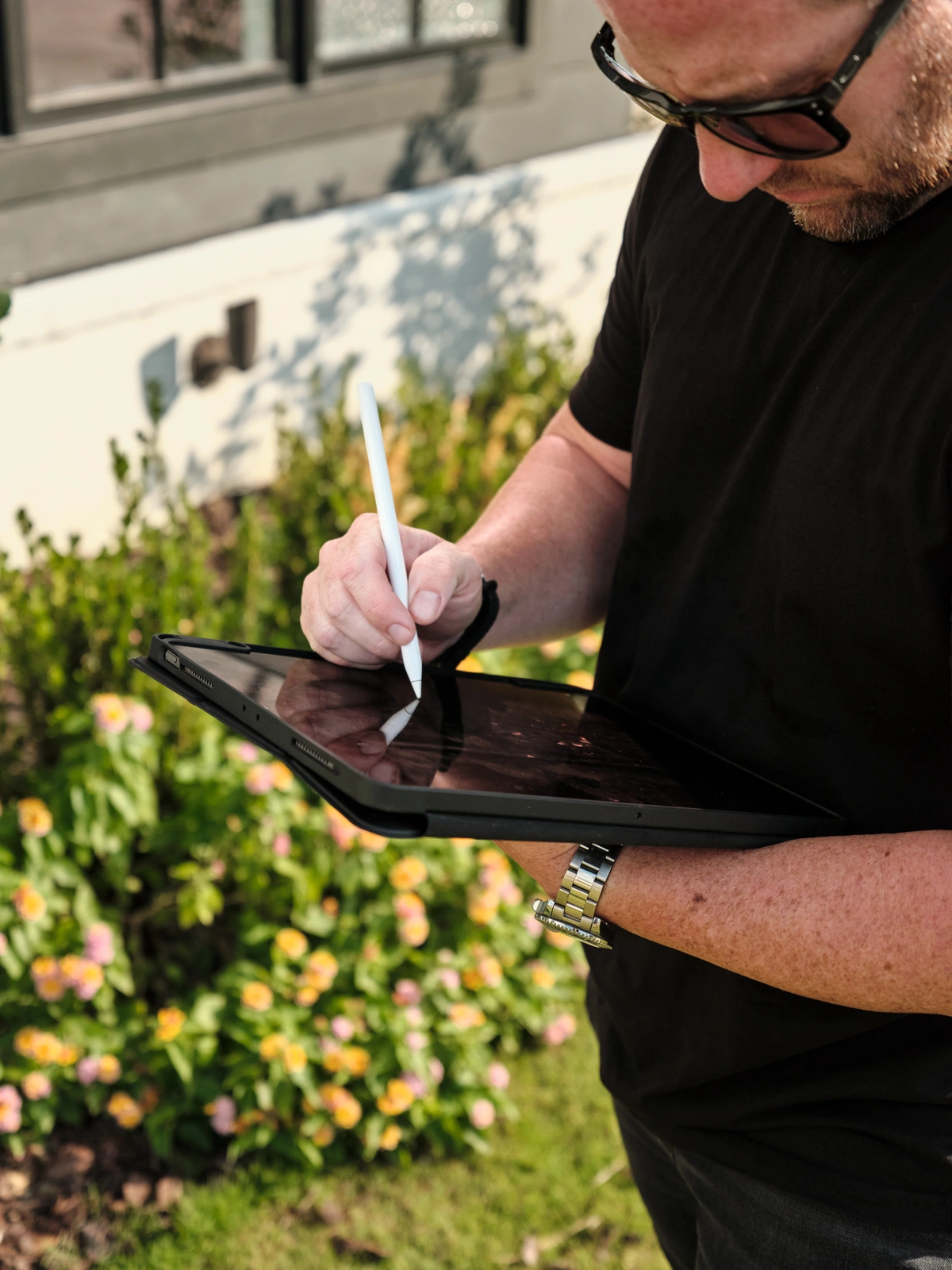
Every gardener in Madison, Mississippi knows the frustration. You buy beautiful plants. You dig careful holes. You water faithfully. And somehow, by August, half of them look miserable.

It’s not you. It’s chemistry.

The soil, heat, and humidity are running a different playbook than the plants you brought home from the big-box nursery. Until your landscape is filled with plants that actually evolved for Madison County conditions, you’re fighting a quiet, expensive battle you were never meant to win.

What Native Plants Give You (Beyond a Cleaner Conscience)

Your Water Bill Will Thank You

Once established, native plants need 50-70% less watering than traditional landscape plants. Their roots go deep—really deep. Purple Coneflower sends roots down 6-8 feet. Big Bluestem grass develops roots 8-12 feet deep. That's accessing water that sprinkler-dependent plants will never reach. Less watering for your Madison, Mississippi landscape. Lower bills. More time doing literally anything else.

You Can Stop Feeding Them

Native plants and native insects grew up together in Mississippi. They developed resistance to each other over millennia. That relationship means fewer pest problems, less disease pressure, and almost no need for chemical interventions. Your Madison County landscape becomes an ecosystem. A healthy one. The kind where beneficial insects and birds handle problems that would require sprays and treatments in traditional gardens.

The Bugs Are On Your Side

Traditional landscapes are hungry. They need fertilizer schedules, soil amendments, constant attention. Native plants evolved with Mississippi clay soil nutrients. They're not expecting better. They're adapted to exactly what Madison County has. No fertilizer. No supplements. Just plants that eat what's naturally on the menu.

Your Weekends Back

Here's the math: ARK Design + Build native landscapes reduce maintenance costs 30-50% compared to traditional designs. That's not just money. That's time. Fertilizing, spraying, replacing, worrying—all reduced dramatically. Native landscapes let you enjoy your Madison outdoor space instead of managing it.
Native Trees That Actually Love Madison County

Trees are decades-long commitments. Choose wrong, and you're either watching something struggle for years or paying for removal. Choose right, and you've got shade, beauty, and value that compounds over time.
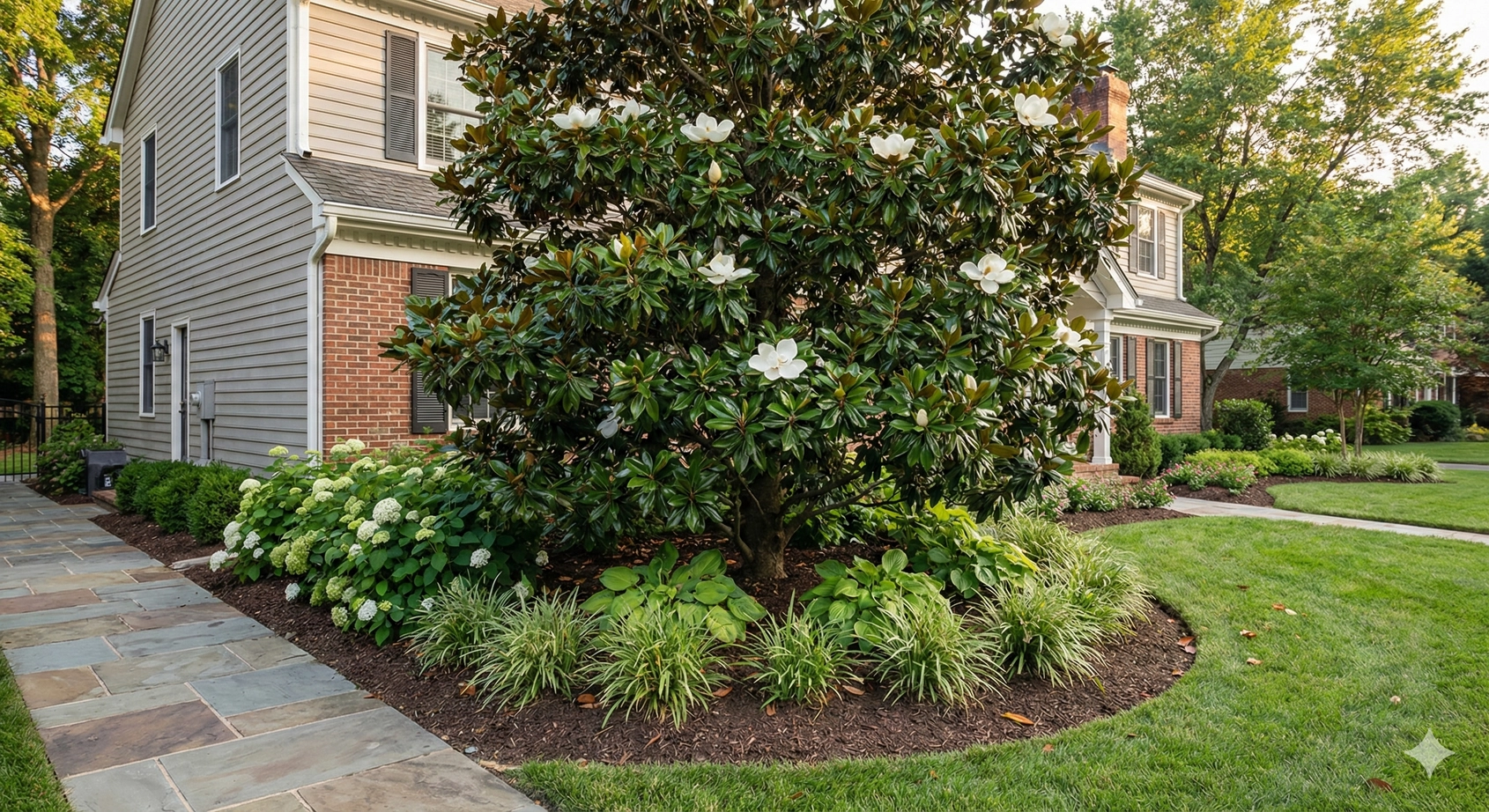
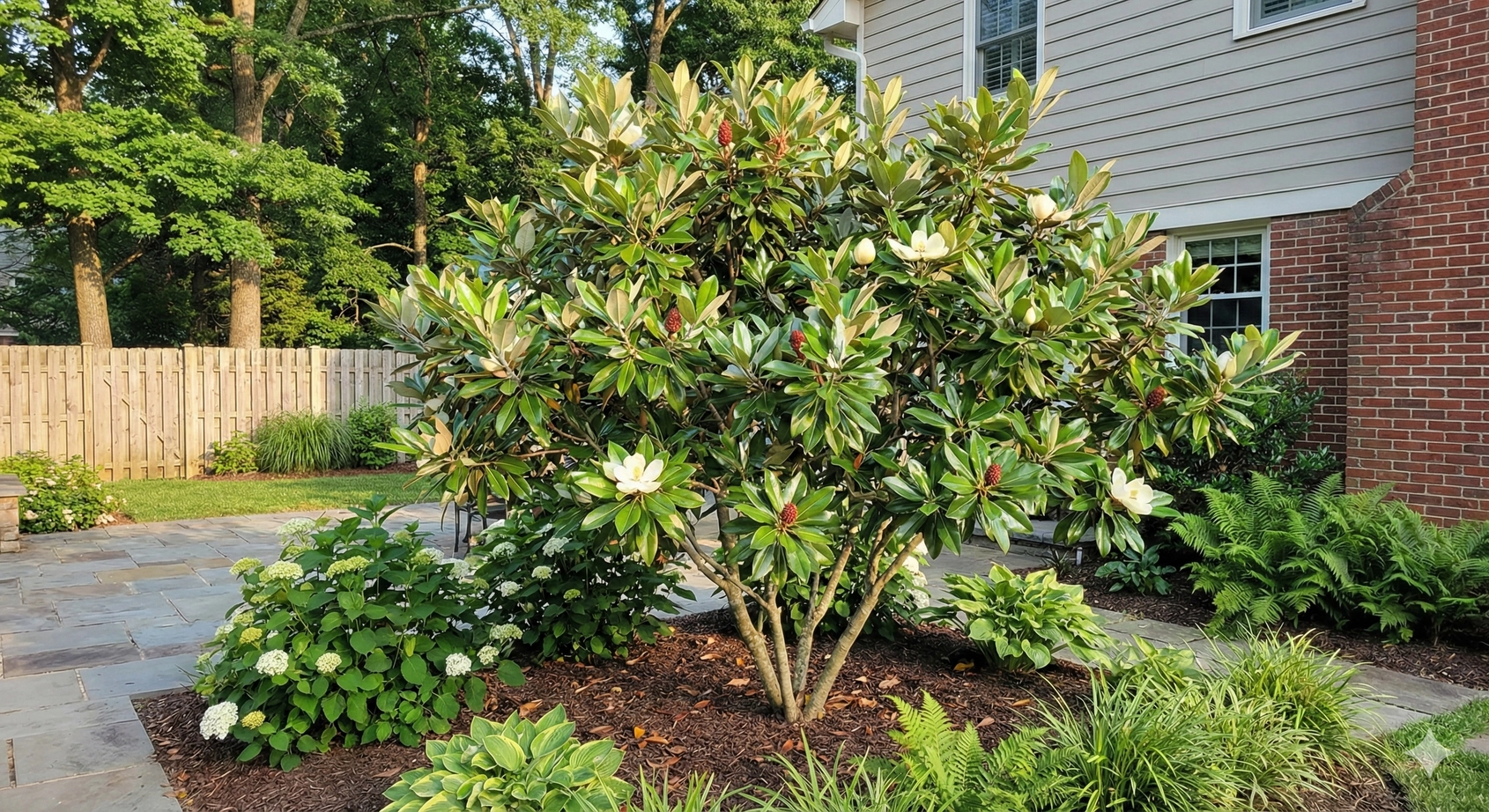
  • Southern Magnolia

    Genus Name: "Magnolia Grandiflora"Mississippi's state tree earned that title. This is botanical royalty that actually thrives on our Madison County clay soil instead of tolerating it.

    What you get:

    • Massive evergreen presence (60-80 feet mature)
    • Fragrant white blooms in early summer
    • Year-round structure and screening
    • Works in full sun to partial shade

    Why It Works in Madison County: Southern Magnolia doesn’t just survive Mississippi conditions—it flourishes. The waxy leaves handle humidity. The roots navigate clay soil. The whole tree evolved exactly here in central Mississippi.

    Matt Gates’ Experience: I position these as long-term anchors in Madison and Ridgeland properties. Shade trees. Privacy screens. The kind of presence that transforms a property over time. Twenty years from now, you’ll be glad you planted one today.

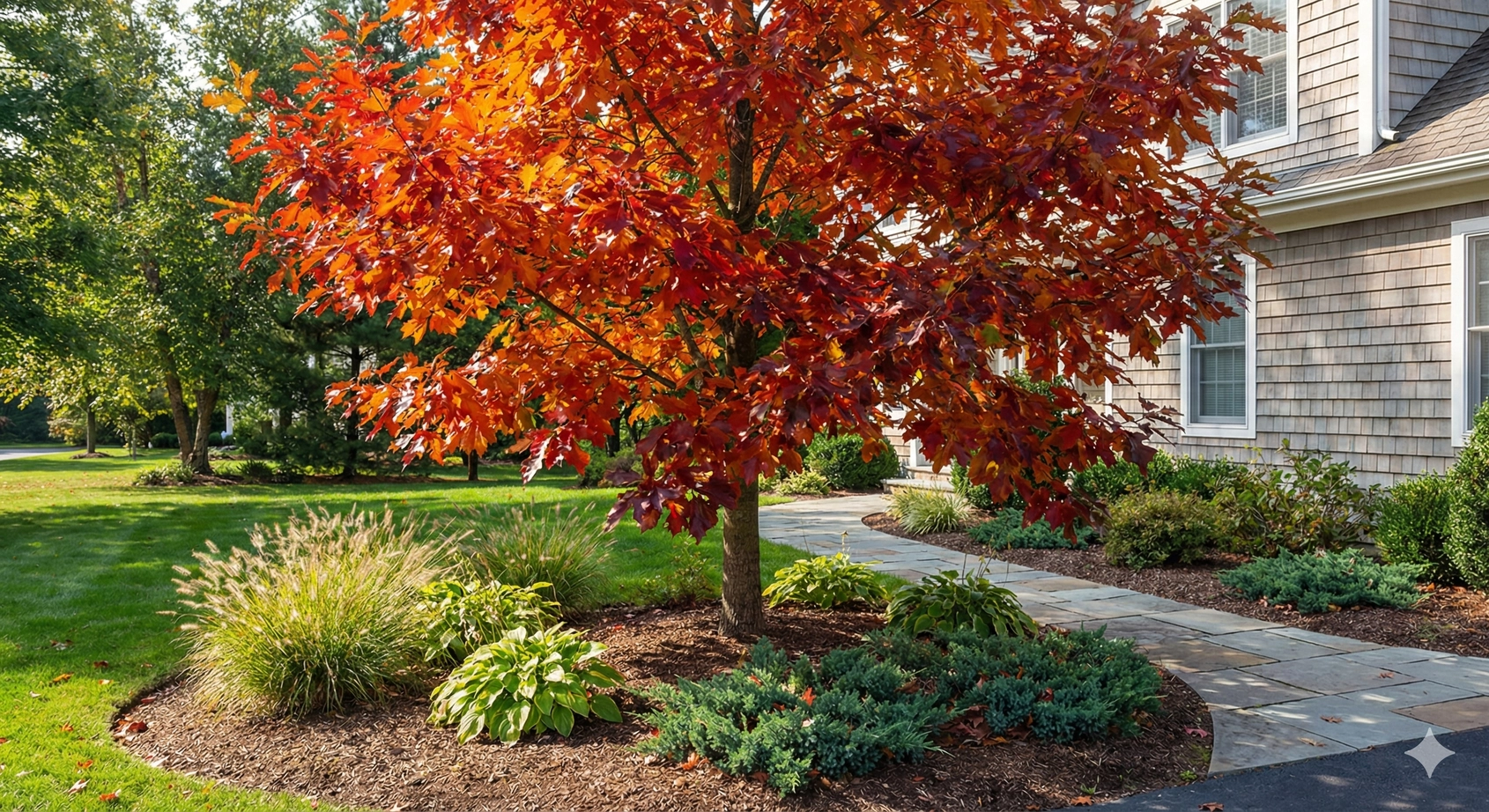
  • Black Tupelo

    Genus Name: "Nyssa Sylvatica"Want fall color that rivals New England? This is your tree. Brilliant red-orange foliage without the disease problems that plague imported maples in Mississippi.

    What you get:

    • Spectacular fall color (genuinely stunning)
    • Moderate size (30-50 feet)
    • Berries that attract cardinals, thrushes, woodpeckers
    • Tolerates wet areas where other trees struggle

    Why It Works in Madison County: Black Tupelo handles Madison’s moisture swings beautifully. Wet spring? Fine. Dry August? Also fine. The adaptability to Mississippi conditions is remarkable.

    Matt Gates’ Experience: I use these as specimen trees throughout Madison County—focal points where that fall color creates drama. Every October, my clients with Black Tupelo get compliments from neighbors. Every single one.

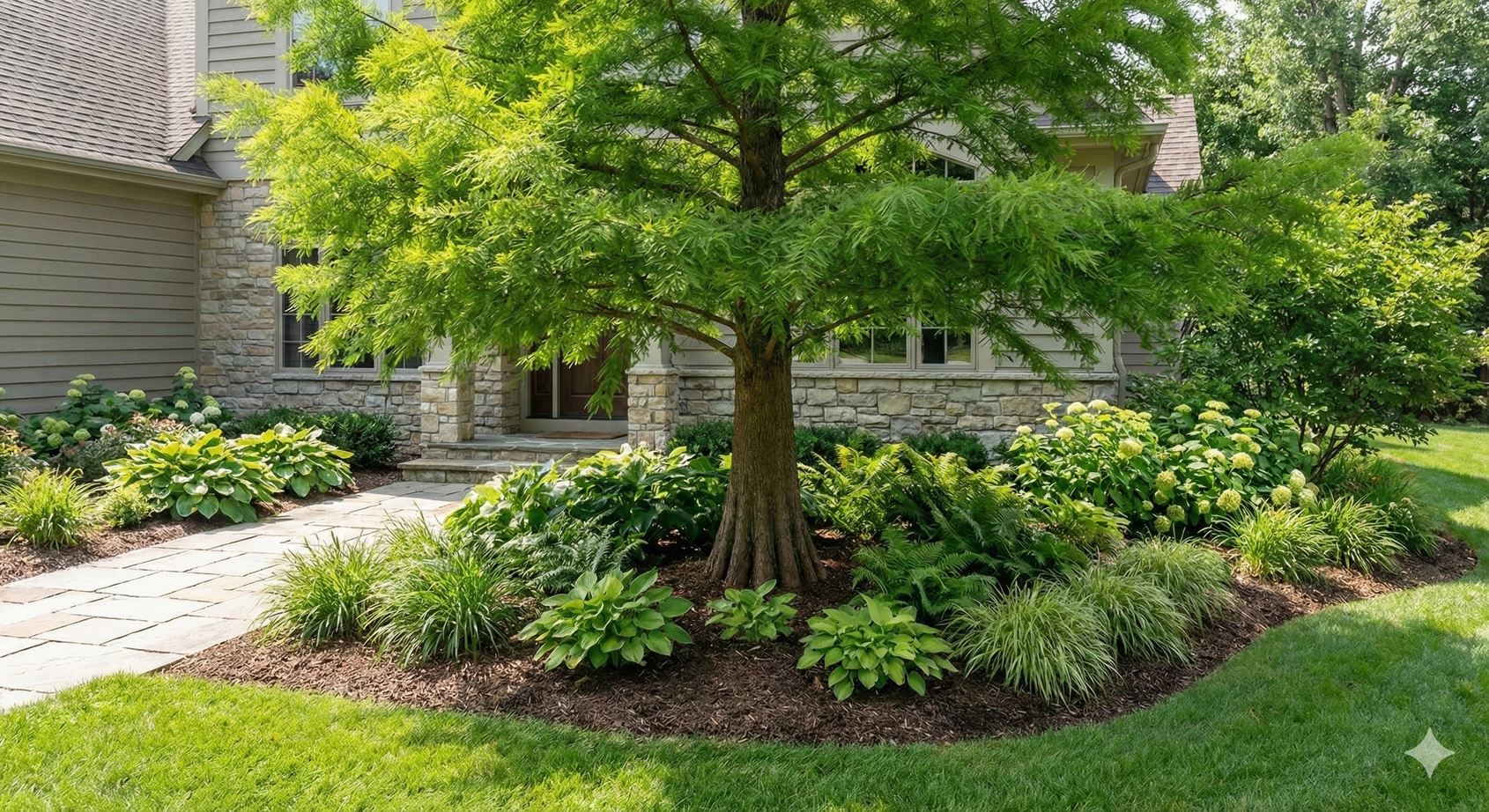
  • Bald Cypress

    Genus Name: "Taxodium distichum"Got a wet spot in your Madison yard where everything dies? Bald Cypress is your answer.

    What you get:

    • Thrives in standing water (seriously)
    • Majestic height (50-70 feet)
    • Russet-orange fall color before needle drop
    • Distinctive “knees” in wet areas add character

    Why It Works in Madison County: Most trees drown in saturated clay soil. Bald Cypress actually prefers it. Those problem areas in your Madison County property? They’re not problems anymore. They’re opportunities.

    Licensed Landscape Horticulturist Insight: I’ve installed Bald Cypress near water features, in rain gardens, in low spots that collected water for years across Madison and Ridgeland. They transform liabilities into assets. Beautiful, functional assets.

  • American Beech

    Genus Name: "Fagus Grandifolia"For deep shade under existing trees, American Beech provides elegant structure where most trees fail.

    What you get:

    • Smooth gray bark (stunning winter interest)
    • Dense shade canopy (50-70 feet)
    • Nuts attract waxwings, chickadees, sparrows
    • Works in partial to full shade

    Why It Works in Madison County: American Beech evolved in Mississippi woodlands. It understands our conditions—clay soil, humidity, temperature swings. The smooth gray bark provides winter interest when other trees look bare.

  • Sweetbay Magnolia

    Genus Name: "Magnolia Virginiana"Not every Madison property has room for a 70-foot tree. Sweetbay delivers magnolia magic in a smaller package.

    What you get:

    • Manageable size (10-35 feet)
    • Lemony-scented white blooms
    • Semi-evergreen foliage
    • Loves wet feet—perfect for drainage challenges

    Why It Works in Madison County: If you have a compact Madison space or consistently moist area, Sweetbay Magnolia fits perfectly. All the magnolia elegance without overwhelming your yard.

    Matt Gates’ Experience: Rain gardens. Patio edges. That corner by the downspout that stays damp. Throughout Madison County, I use Sweetbay to make these spots beautiful instead of problematic.

Native Shrubs That Earn Their Keep in Mississippi
Shrubs create the middle layer—the structure between your trees and your groundcover. Good shrubs provide year-round interest without constant attention. Great shrubs do that and attract wildlife too.
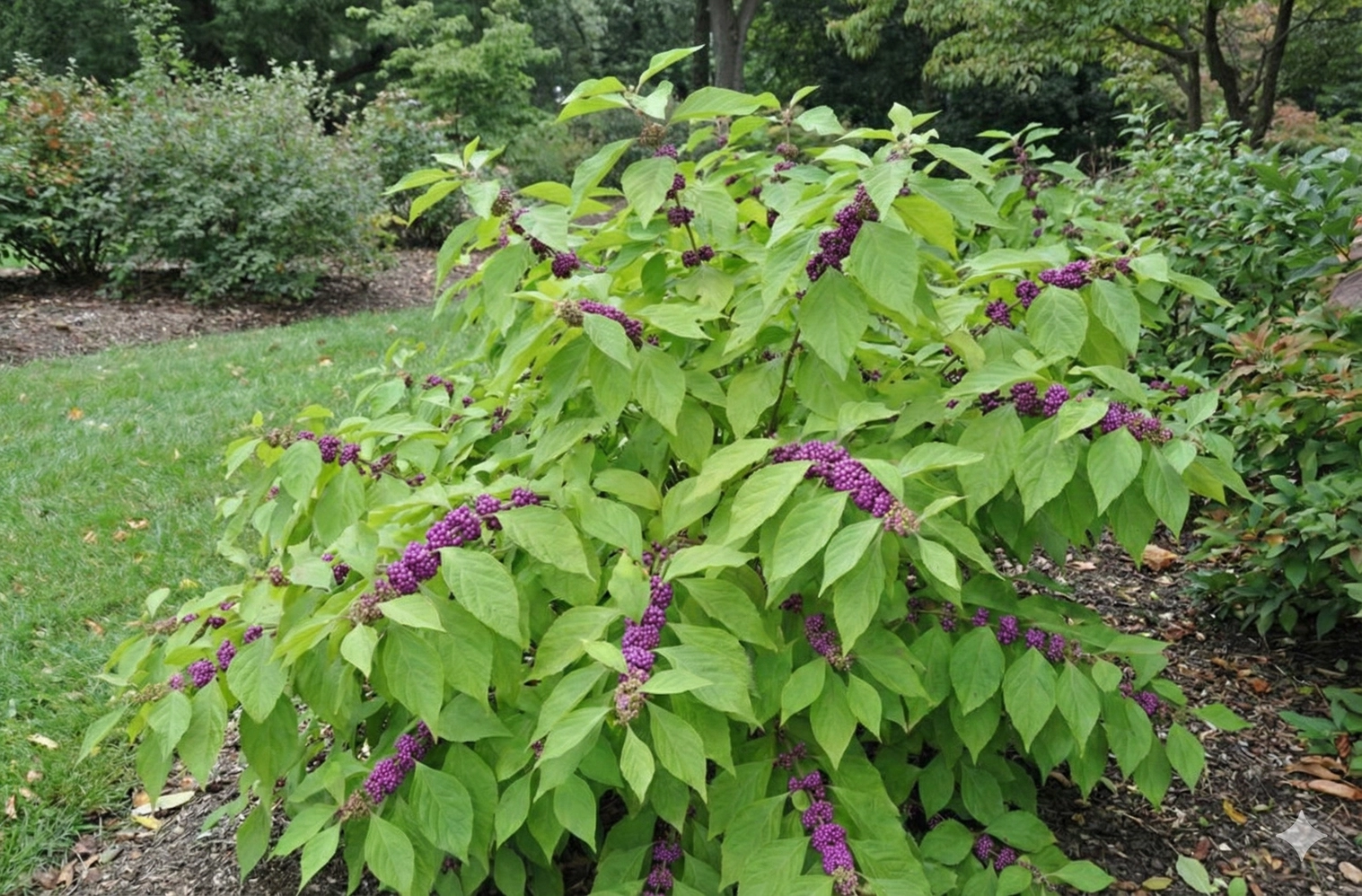
  • American Beautyberry

    Callicarpa Americana

    Those brilliant purple berries aren't photoshopped. They're real. And they're spectacular against Mississippi's fall landscape.

    What you get:

    • Jaw-dropping purple berry clusters (September-January)
    • Thrives in partial shade
    • Attracts 10+ bird species through winter
    • Almost zero maintenance required

    Why It Works in Madison County: American Beautyberry evolved in Mississippi woodland edges. Give it some shade and reasonable moisture, and it performs without asking anything of you.

    Matt Gates’ Experience: I mass-plant American Beautyberry in naturalistic areas throughout Madison County. The purple berries against winter’s bare branches? Clients stop me mid-project to take photos. That never gets old.

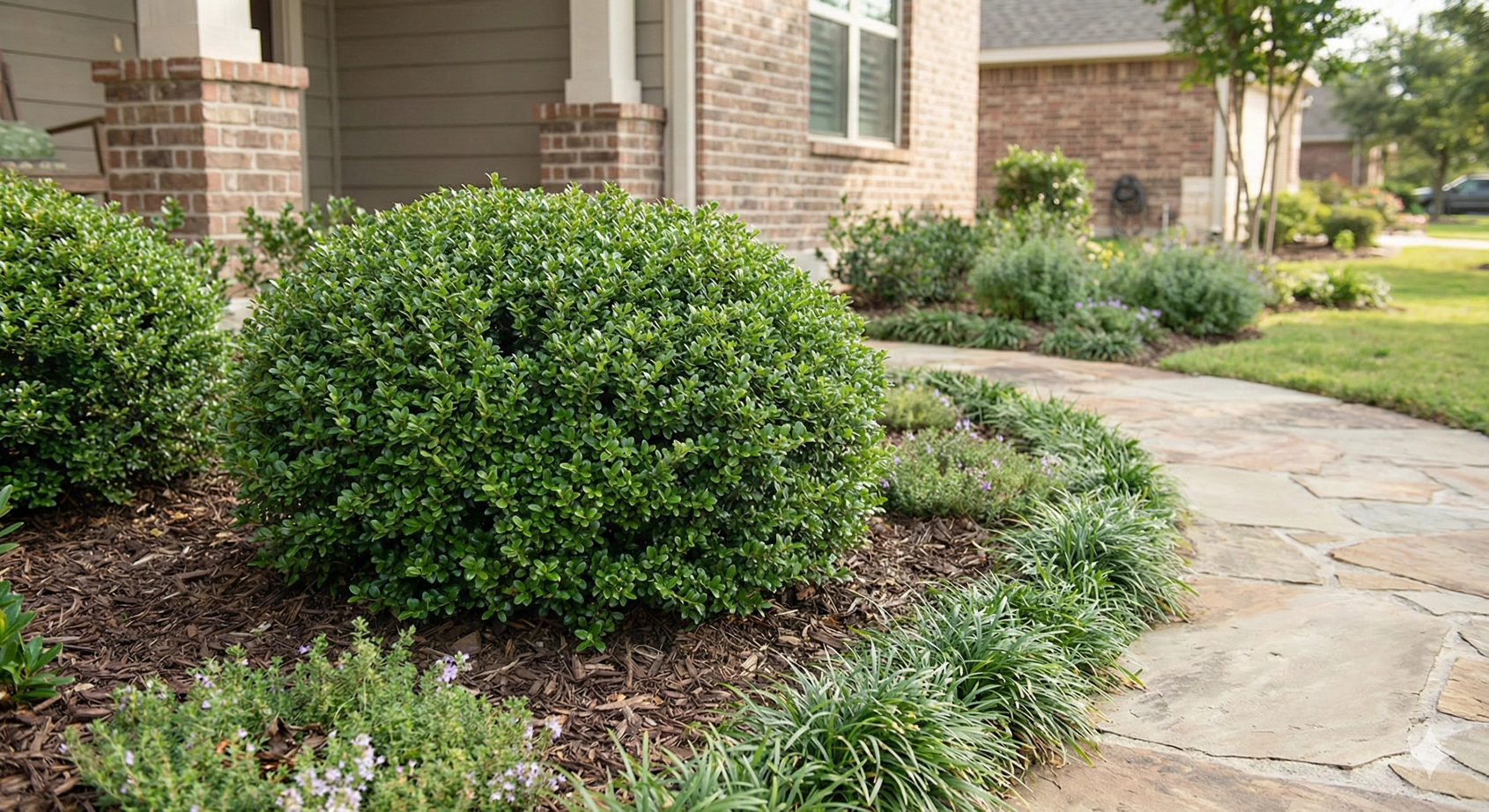
  • Yaupon Holly

    Ilex Vomitoria

    Need screening that stays green all year in your Madison landscape? Yaupon Holly is your workhorse.

    What you get:

    • Evergreen privacy (12-25 feet, or prune smaller)
    • Red berries on female plants
    • Extreme drought tolerance once established
    • Shapes beautifully as hedge or small tree

    Why It Works in Madison County: Yaupon Holly handles everything Madison throws at it—clay soil, drought, shade, sun. It doesn’t complain. It just grows.

    Licensed Landscape Horticulturist Insight: Formal hedges, naturalistic groves, even sculptural multi-trunk trees—Yaupon does it all. The design flexibility is exceptional for a Mississippi native shrub.

  • Oakleaf Hydrangea

    Hydrangea quercifolia

    Four seasons of interest. One plant. Zero drama. Perfect for Madison County landscapes.

    What you get:

    • Large white blooms (June-July)
    • Oak-shaped leaves (hence the name)
    • Burgundy fall color
    • Cinnamon peeling bark for winter interest

    Why It Works in Madison County: Unlike imported hydrangeas that struggle with Mississippi humidity, Oakleaf Hydrangea is native. It evolved here in central Mississippi. The disease resistance shows.

    Matt Gates’ Experience: Foundation plantings. Shade gardens. Anywhere in Madison where you want something that looks intentional and sophisticated without requiring weekly attention. Oakleaf Hydrangea delivers.

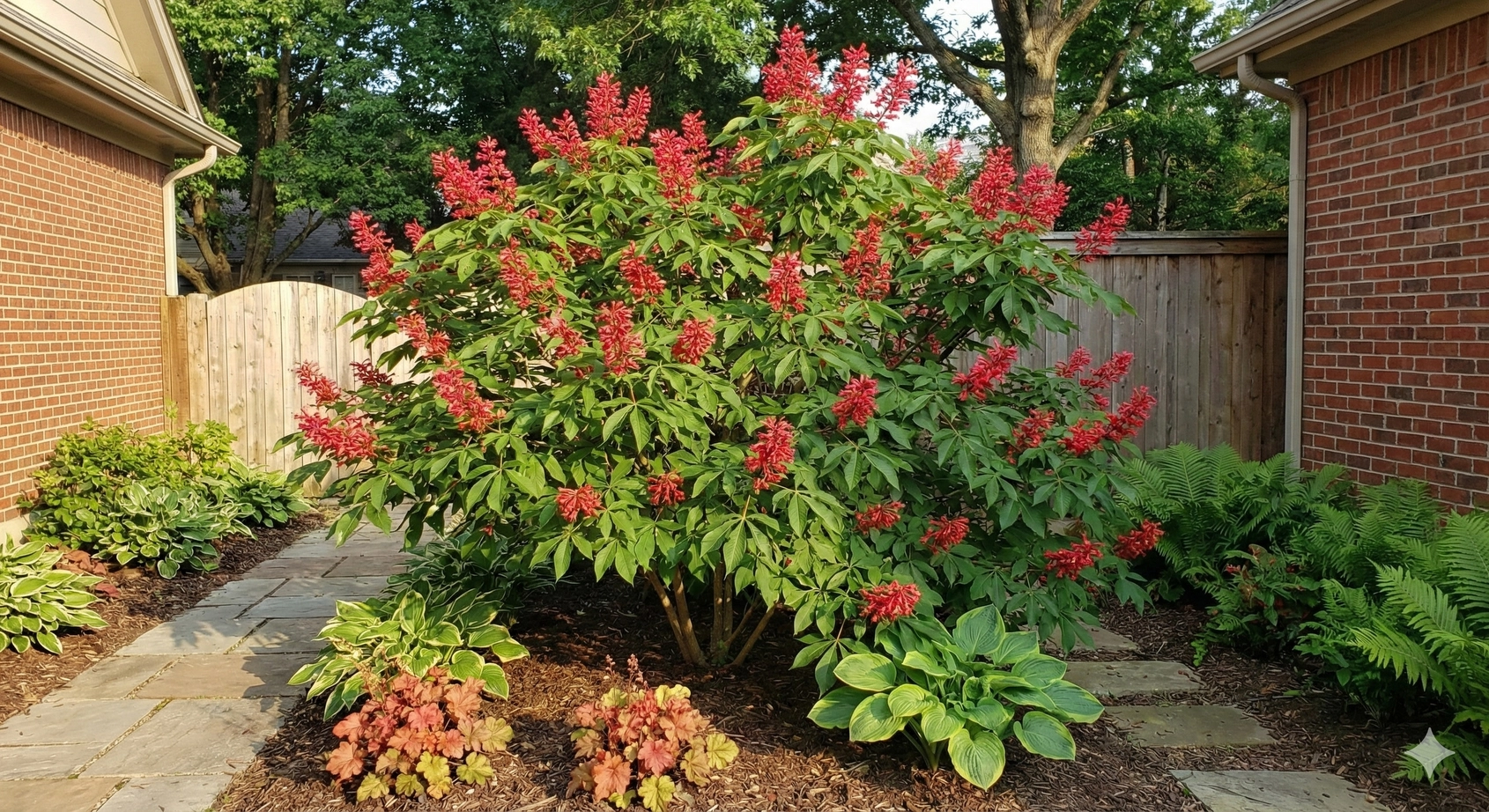
  • Red Buckeye

    Aesculus pavia

    Want hummingbirds in your Madison backyard? Plant this. It's that simple.

    What you get:

    • Tubular red flowers (March-April)
    • Primary food source for returning hummingbirds
    • Works in shade (unusual for a blooming shrub)
    • Compact size (10-20 feet)

    Why It Works in Madison County: Red Buckeye blooms exactly when hummingbirds return to Mississippi in spring. It’s perfectly timed food for exhausted migrants arriving in Madison County.

    Licensed Landscape Horticulturist Insight: I position Red Buckeye near outdoor living spaces throughout Madison and Ridgeland—patios, decks, kitchen windows. Watching hummingbirds feed while you drink morning coffee? That’s what a Mississippi landscape should provide.

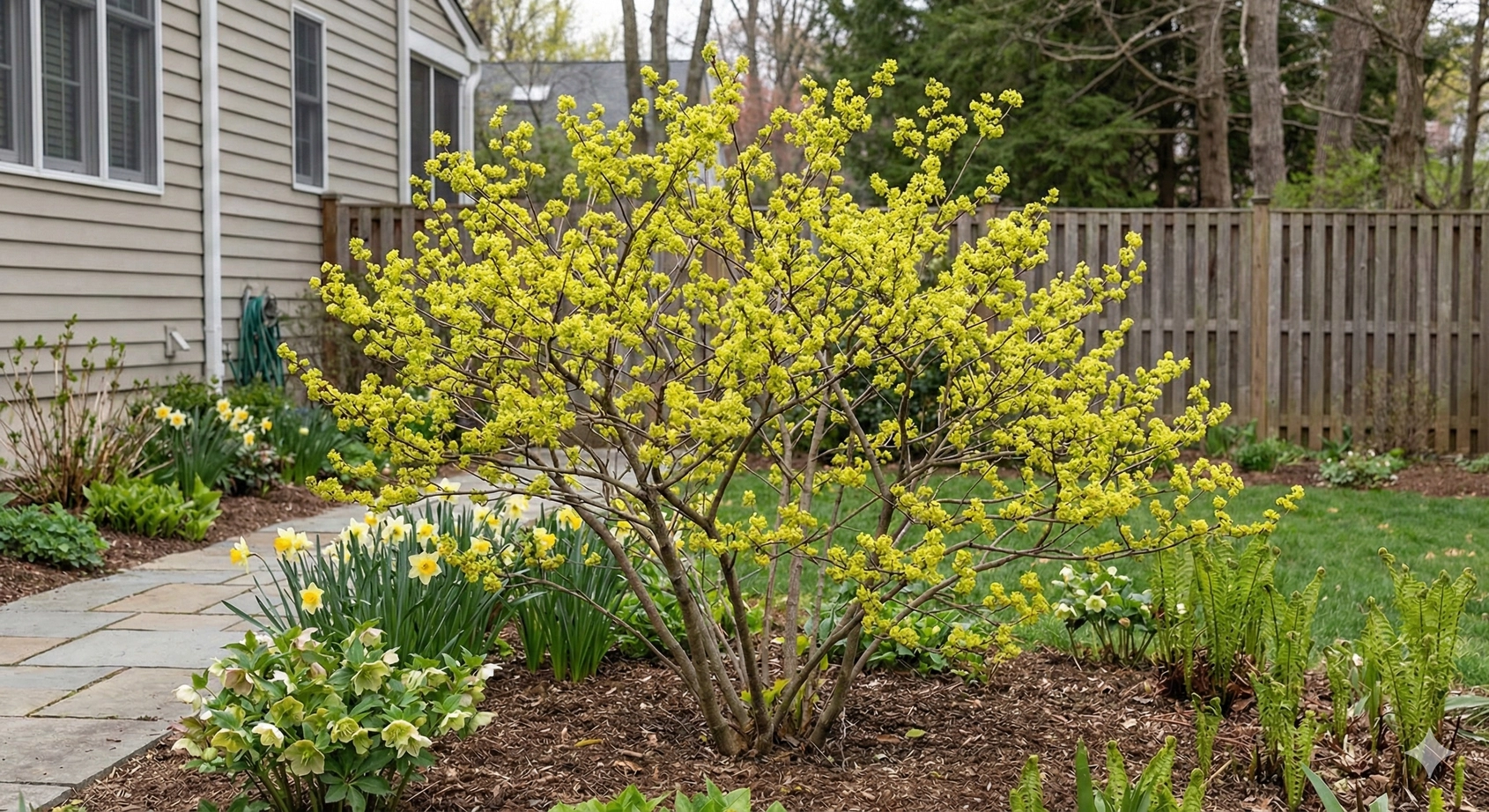
  • Spicebush

    Lindera Benzoin

    This shrub hosts complete butterfly lifecycles. That matters more than you might think for Mississippi ecosystems.

    What you get:

    • Early spring yellow flowers (before leaves!)
    • Fragrant foliage all season
    • Red berries attract migrating birds
    • Host plant for Spicebush Swallowtail butterfly

    Why It Works in Madison County: Most ornamental plants provide nectar. Spicebush provides habitat—a place where caterpillars actually grow up in your Madison garden. That’s ecosystem support, not just decoration.

    Matt Gates’ Experience: Woodland edges, shaded wet areas, naturalistic plantings across Madison County. Spicebush fills spots where other shrubs struggle while supporting wildlife in ways non-natives simply can’t.

  • American Beautyberry
  • Yaupon Holly
  • Oakleaf Hydrangea
  • Red Buckeye
  • Spicebush

Perennials, Grasses & Groundcovers for Mississippi Landscapes

These are your finishing touches. The texture. The movement. The layers that make a Madison County landscape feel complete instead of just planted.
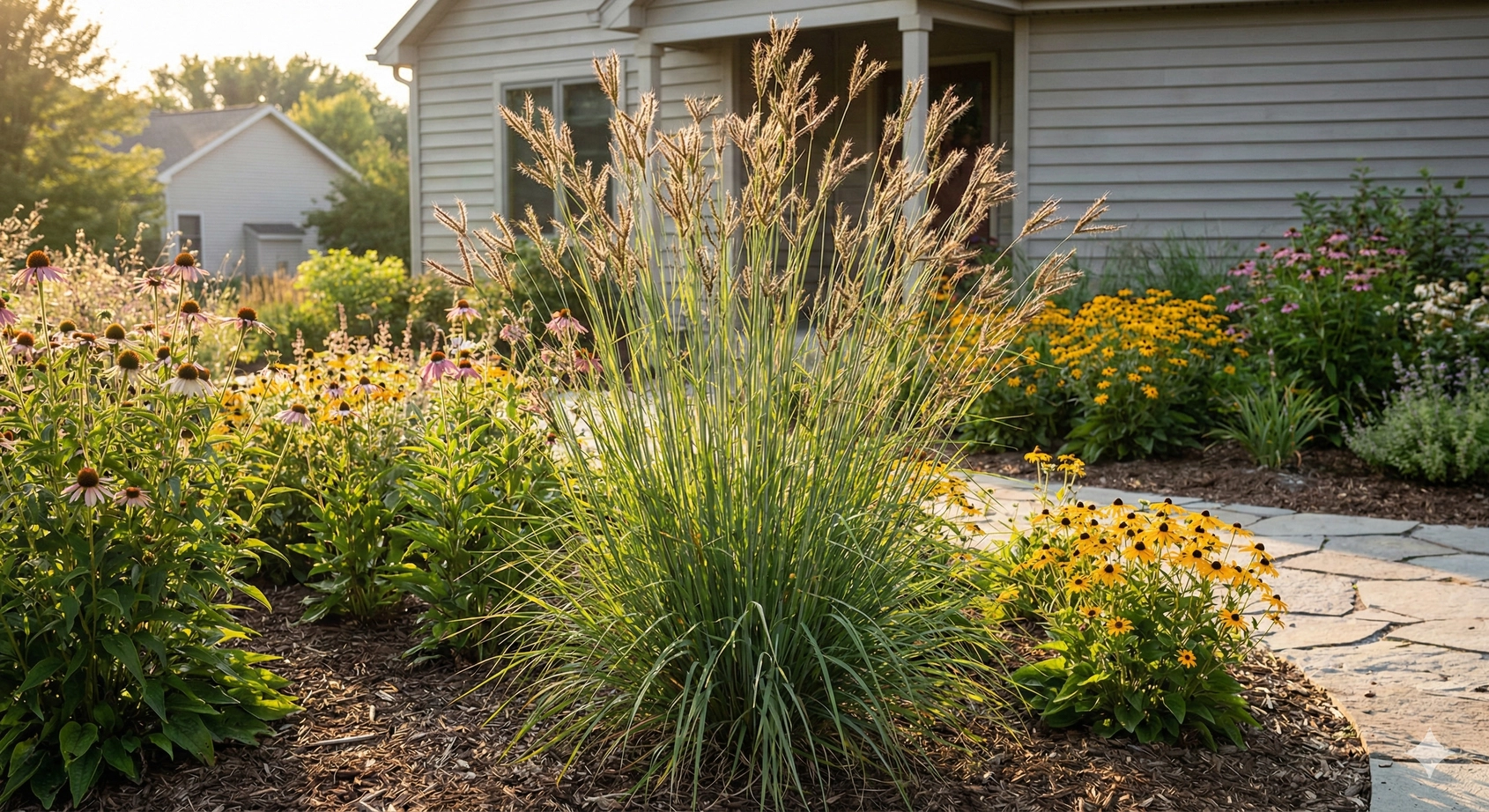
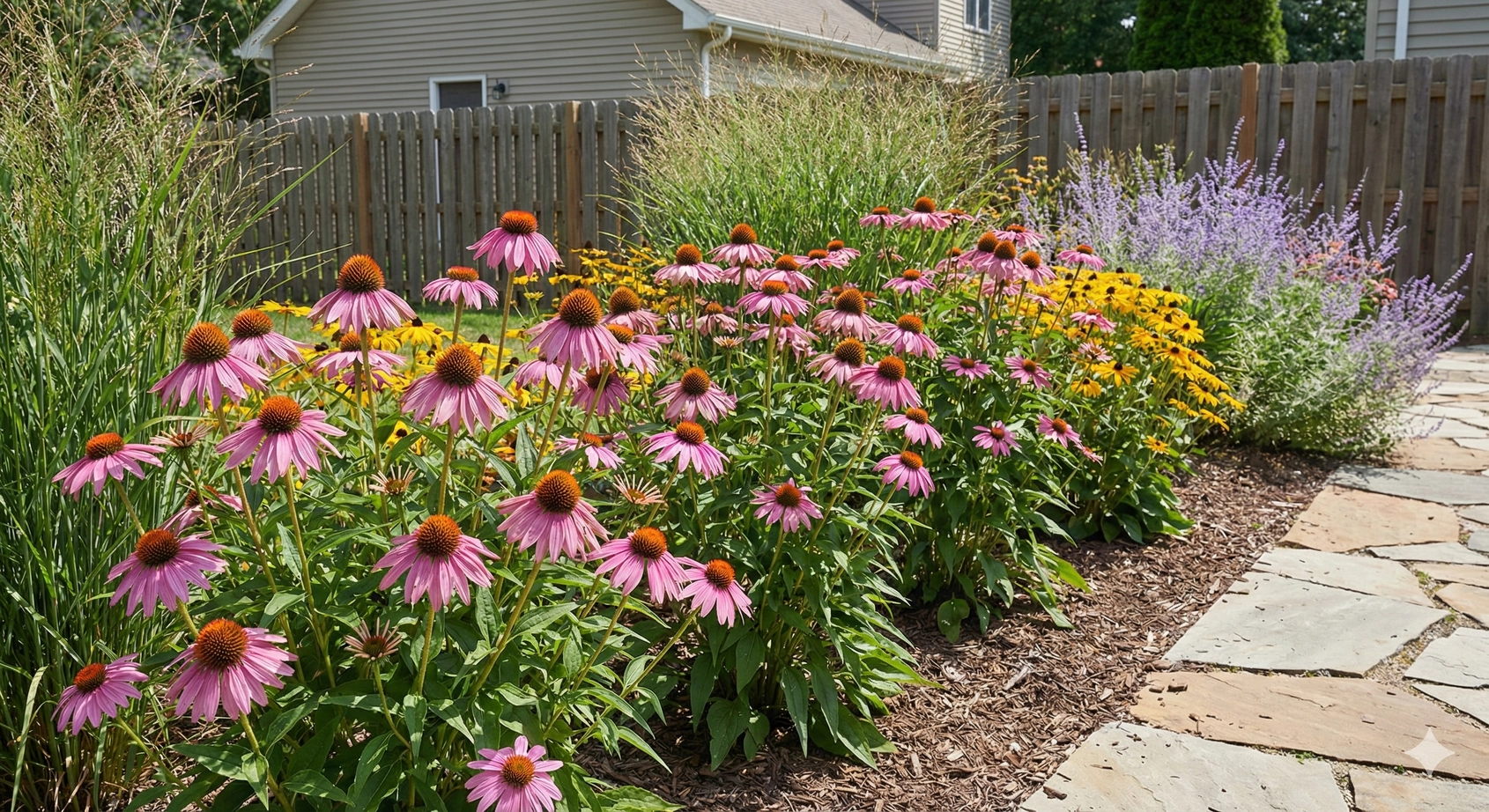
  • Purple Coneflower

    Genus Name: "Echinacea Purpurea"The classic prairie perennial. There's a reason it's everywhere in Mississippi native gardens—it works.

    What you get:

    • Purple daisy-like blooms (June-September)
    • Attracts butterflies, bees, goldfinches
    • Drought-tolerant once established
    • Self-seeds gently (free plants!)

    Why It Works in Madison County: Full sun, clay soil, drought, heat—Purple Coneflower handles it all. The 6-8 foot root system accesses moisture that keeps blooms coming through Mississippi summers.

    Licensed Landscape Horticulturist Insight: Mass plantings create impact in Madison landscapes. Borders add color. Pollinator gardens need Purple Coneflower as anchors. I use them constantly, and they never disappoint.

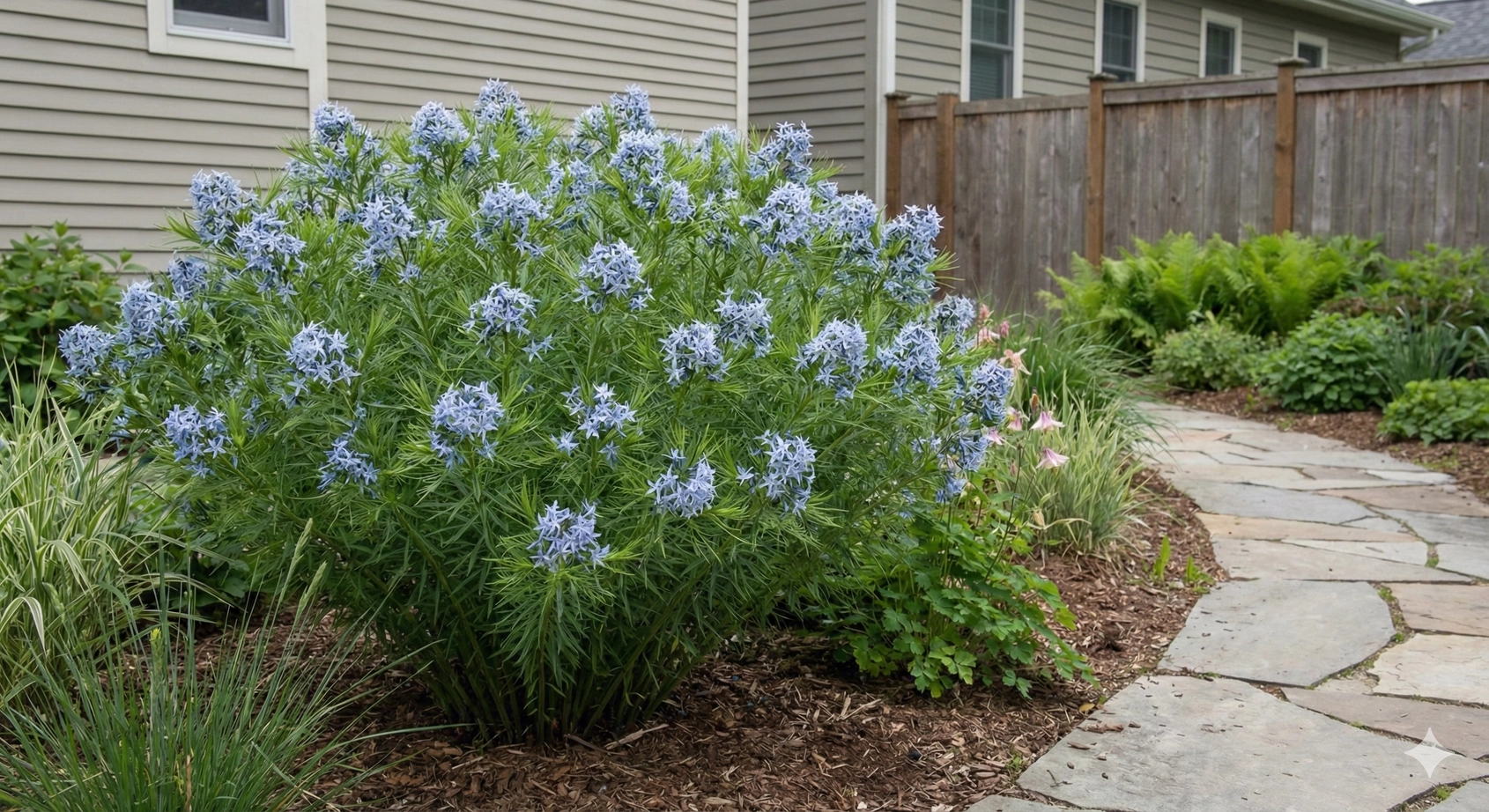
  • Eastern Bluestar

    Genus Name: "Amsonia Tabernaemontana"Spring blooms AND fall color from the same plant? Yes please—perfect for Madison County gardens.

    What you get:

    • Star-shaped blue flowers (April-May)
    • Fine-textured foliage all summer
    • Golden-yellow fall color
    • Adapts to sun or partial shade

    Why It Works in Madison County: Eastern Bluestar asks almost nothing and provides almost everything. The spring-to-fall interest makes it genuinely valuable real estate in any Madison border.

    Matt Gates’ Experience: The fall color catches people off guard. They remember the spring blooms, then forget about it—until October when Eastern Bluestar glows gold across their Madison landscape. Happy surprise every year.

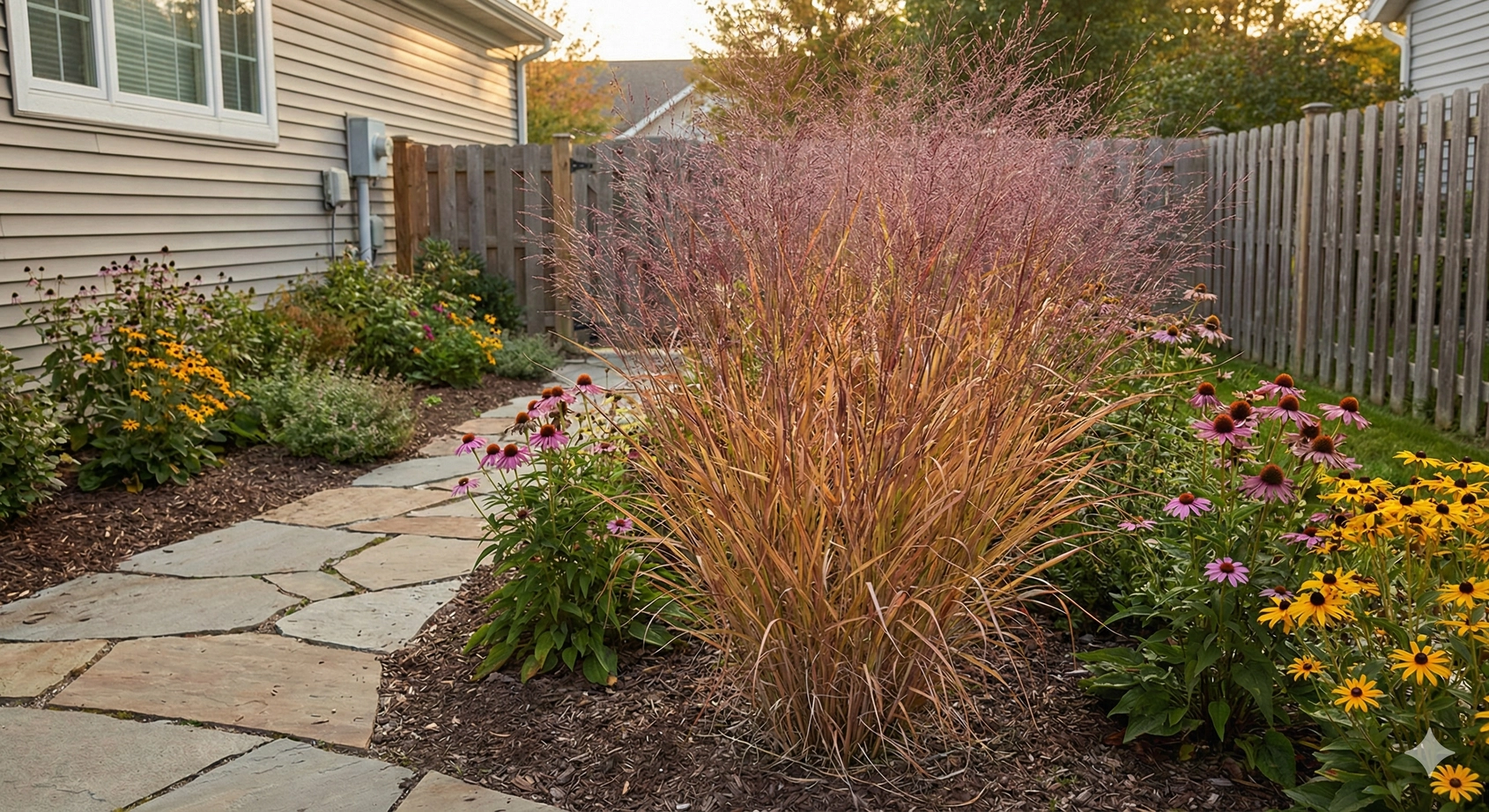
  • Switchgrass

    Genus Name: "Panicum Virgatum"Modern. Architectural. Almost maintenance-free. Perfect for contemporary Madison, Mississippi landscapes.

    What you get:

    • Vertical presence (3-6 feet)
    • Movement in the breeze
    • Golden-tan fall color
    • Seeds attract sparrows, juncos

    Why It Works in Madison County: Wet soil, dry soil, clay, sand—Switchgrass doesn’t care. It grows beautifully throughout Mississippi. It provides privacy screening. It looks contemporary.

    Licensed Landscape Horticulturist Insight: Contemporary Madison County landscapes love Switchgrass. Clean lines, visual interest, wildlife value—all requiring exactly one annual cutback in late winter. That’s the whole maintenance schedule.

  • Big Bluestem

    Genus Name: "Andropogon Gerardii"Mississippi's tallest native grass. Dramatic. Erosion-fighting. Virtually indestructible.

    What you get:

    • Impressive height (4-8 feet)
    • Copper-orange fall color
    • “Turkey foot” seed heads
    • Roots 8-12 feet deep prevent erosion

    Why It Works in Madison County: Got a slope that erodes? Big Bluestem’s deep root system anchors soil like nothing else. The dramatic height and copper fall color create bold statements in naturalistic Madison designs.

    Matt Gates’ Experience: I use Big Bluestem on challenging slopes throughout Madison County where surface-rooted plants fail. The erosion control is remarkable, and the prairie aesthetic adds character.

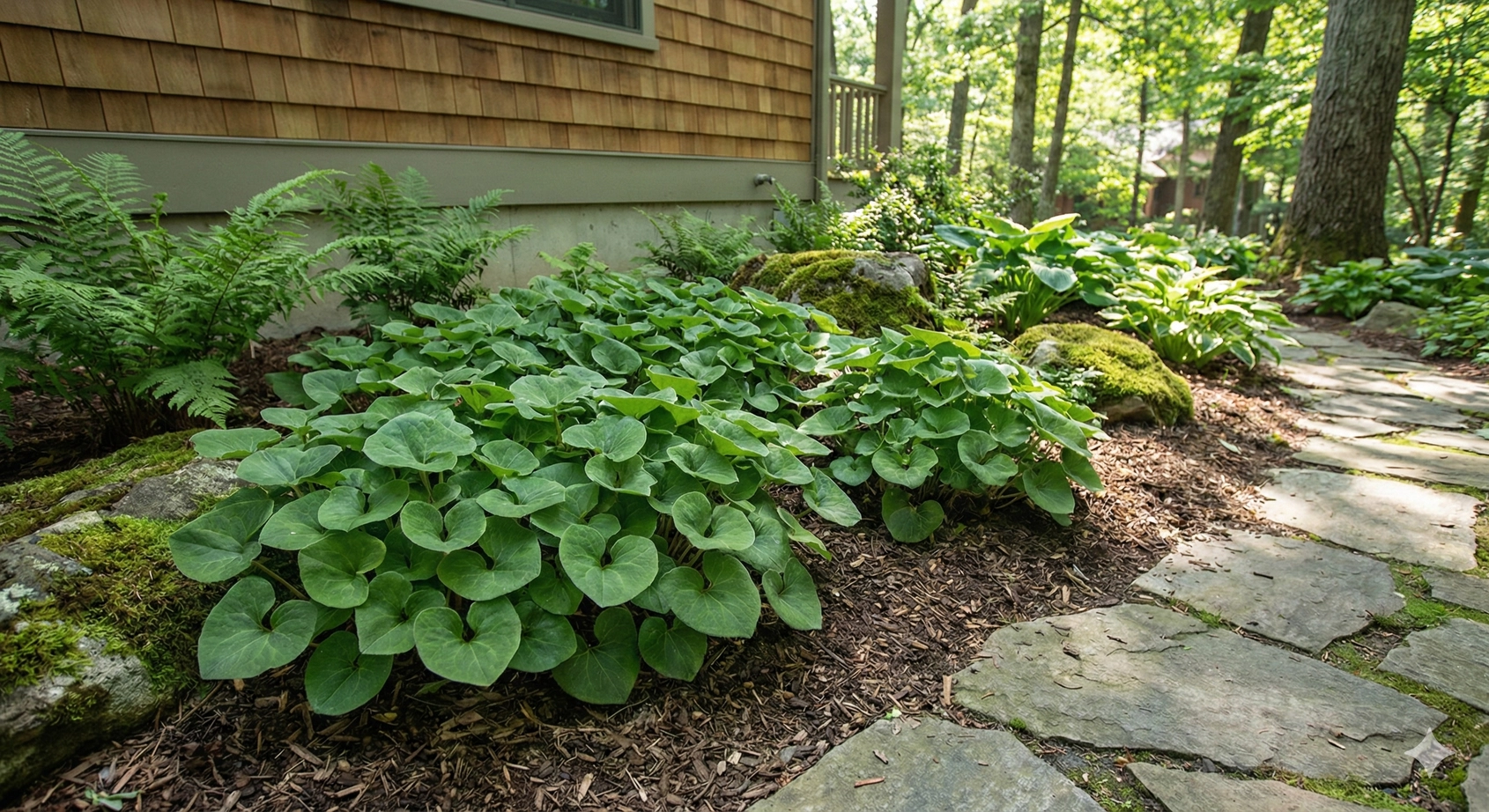
  • Wild Ginger

    Genus Name: "Asarum Canadense"Deep shade groundcover. The problem solver for impossible spots in Madison landscapes.

    What you get:

    • Heart-shaped evergreen leaves
    • Spreads to form dense mats
    • Thrives in deep shade
    • Hosts Pipevine Swallowtail butterfly

    Why It Works in Madison County: Where lawn grass fails under mature trees in Madison, Wild Ginger succeeds. It’s adapted to forest floor conditions—exactly what that shady corner in your Mississippi yard provides.

    Licensed Landscape Horticulturist Insight: Those “nothing will grow here” spots across Madison County? Wild Ginger grows there. It transforms problem areas into intentional groundcover that suppresses weeds and supports wildlife.

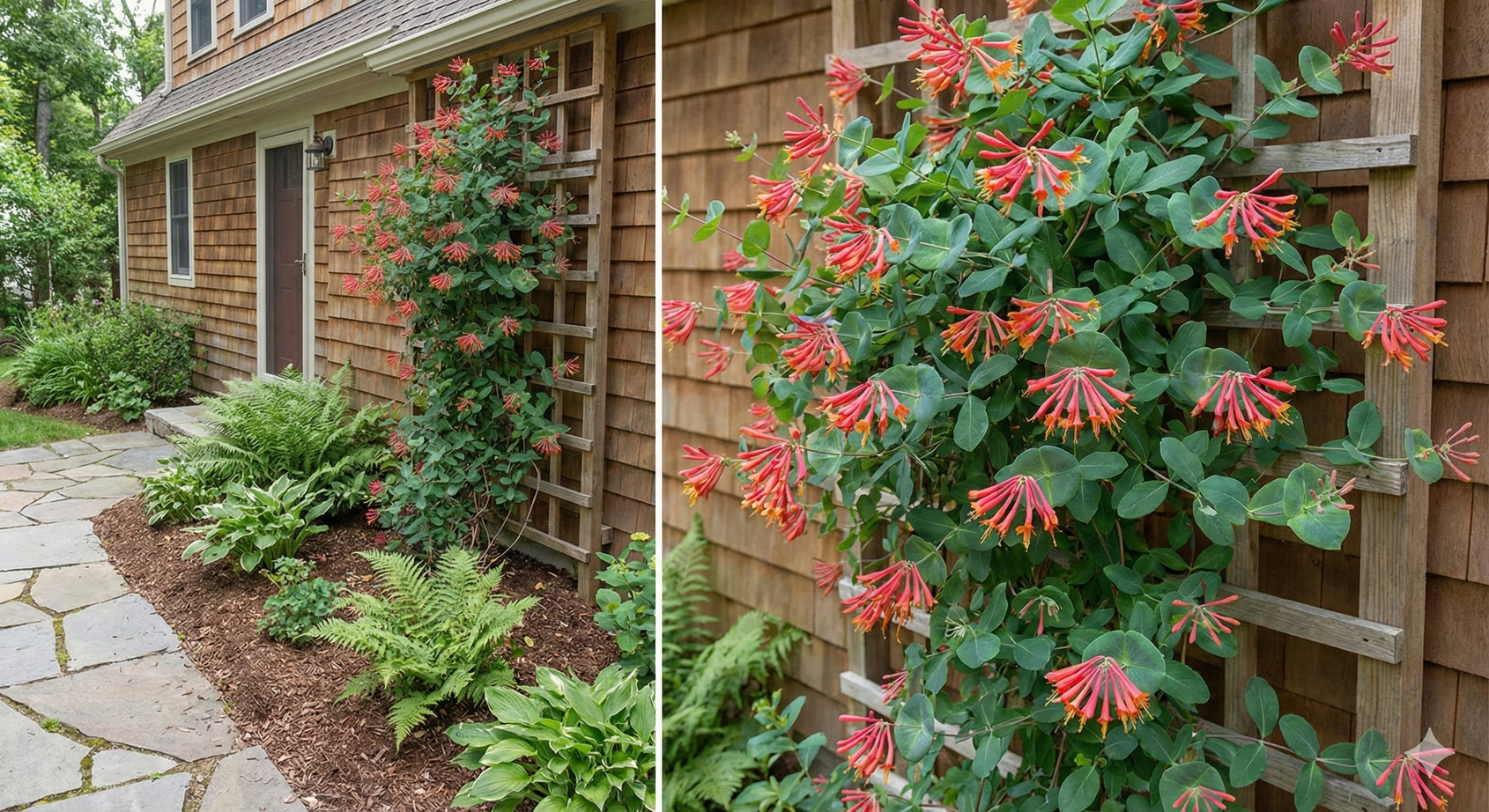
  • Coral Honeysuckle

    Genus Name: "Lonicera Sempervirens"All the honeysuckle benefits. None of the invasive problems plaguing Mississippi landscapes.

    What you get:

    • Coral-red tubular flowers (March-October)
    • Evergreen vine (10-20 feet climbing)
    • Hummingbird and butterfly magnet
    • Stays where you put it

    Why It Works in Madison County: Japanese honeysuckle takes over Mississippi landscapes. Coral Honeysuckle stays civilized while providing months of hummingbird-attracting blooms in Madison gardens.

    Matt Gates’ Experience: Arbors, fences, pergolas over outdoor living spaces throughout Madison County—anywhere you want vertical interest and wildlife activity. The long bloom period is exceptional.

Solving Common Madison County Landscape Problems

Wet Areas That Drown Everything

Madison County properties frequently have low-lying areas where standing water prevents most plantings. Bald Cypress, Sweetbay Magnolia, Southern Blue Flag Iris, and Cardinal Flower thrive in these conditions—tolerating saturated clay soil that kills other species.

Stop fighting that wet spot in your Madison yard. Plant it with species that love standing water.

Combined with proper drainage solutions, wet areas become rain gardens instead of problems.

Deep Shade Under Big Trees

The most challenging Madison County landscape condition: dense shade under mature trees where lawn grass fails and sun-loving plants struggle. Wild Ginger, Spicebush, and Oakleaf Hydrangea create layered plantings in conditions that defeat most alternatives.

Stop trying to grow lawn where lawn doesn’t belong. Create Mississippi woodland gardens instead.

Stubborn Clay Soil

Madison County’s clay soil challenges most plants—slow drainage, poor aeration, and compaction limit root development. Southern Magnolia, Black Tupelo, American Beech, and Oakleaf Hydrangea evolved with Mississippi clay. Their roots know how to work with it instead of fighting it.

As a Licensed Landscape Horticulturist, I identify species proven for your specific clay soil characteristics—depth, drainage, compaction levels all affect which plants succeed in Madison.

Hot, Dry Exposures

South-facing slopes. Western exposures. Full sun and no irrigation in Madison County. Purple Coneflower, Yaupon Holly, Switchgrass, and Big Bluestem handle these conditions once established.

ARK Design + Build is dedicated to helping you solve your landscape problems!

Let's Get Solving!

Bringing Wildlife Home to Madison County

The welcome wildlife

Native plants support four times more wildlife than non-natives. That's not a feeling. That's measured science applicable to every Mississippi landscape.

Call for the Wildlife!

For Hummingbirds in Madison

Red Buckeye in March. Coral Honeysuckle from spring through fall. Cardinal Flower in summer. Strategic planting creates continuous food sources that keep hummingbirds visiting your Madison County property all season.
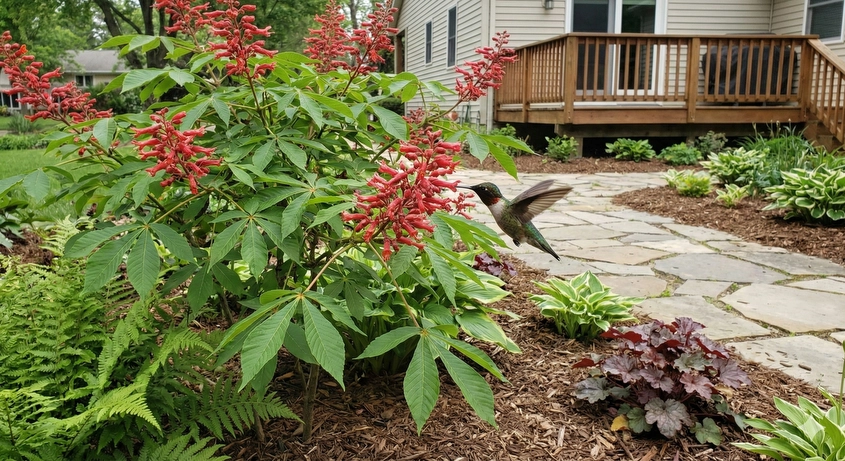
hummingbird on a red buckeye

For Songbirds

Black Tupelo and American Beautyberry provide berries when other food is scarce across Mississippi. Switchgrass and Big Bluestem seeds sustain sparrows and juncos through Madison winters. Your landscape becomes a buffet that keeps birds around year-round.

northern mockingbird american beautyberry

For Butterflies

Spicebush and Wild Ginger host caterpillars—the complete lifecycle, not just nectar stops. Purple Coneflower and Eastern Bluestar feed adults. Together, they create actual habitat in your Madison, Mississippi garden.

pipevine swallowtail on a spicebush

Getting Plants Established in Madison County

Even perfect plant selection fails with improper installation. A few things matter enormously for Mississippi success.

Clay Soil Planting Techniques

Wide holes, not deep ones. Two to three times the root ball width, but only as deep as the container. Madison County clay needs lateral root spread, not buried crowns sitting in water.

Don’t over-amend clay soil. Natives adapted to Mississippi clay—they don’t need imported soil that creates drainage barriers.

The Establishment Period

First year in Madison: consistent watering while roots develop. Second year: gradually reduce. Third year and beyond: the native adaptations take over.

Deep, infrequent watering builds the extensive root systems that make natives drought-tolerant in Mississippi conditions. Shallow daily watering keeps roots at the surface where they’re vulnerable.

Mulch Correctly

Two to three inches of organic mulch for your Madison plantings. Keep it away from stems and trunks. Mulch retains moisture, suppresses weeds, and improves clay soil as it breaks down.

Caring for Madison County Native Landscapes (It's Less Than You Think)

This is where the investment pays off for Madison, Mississippi homeowners.

Native landscapes need:

  • No fertilizer (adapted to Mississippi soil nutrients)
  • Minimal pest treatment (co-evolved resistance)
  • Occasional pruning (appropriate growth rates)
  • Supplemental water only during establishment or extreme drought

The time you’re not spending maintaining your Madison County landscape? That’s time you’re spending enjoying it instead.

Spring: Light cleanup. Remove winter debris from perennials. Summer: Watch for drought stress in young plants. Established Mississippi natives are fine. Fall: Best planting season in Madison. Cut back grasses before winter. Winter: Planning season. Dream about what to add next.

For major tree work, design refreshes, or seasonal enhancements, ARK Design + Build’s maintenance services keep Madison County native landscapes looking their best.
Why Licensed Landscape Horticulturist Credentials Matter
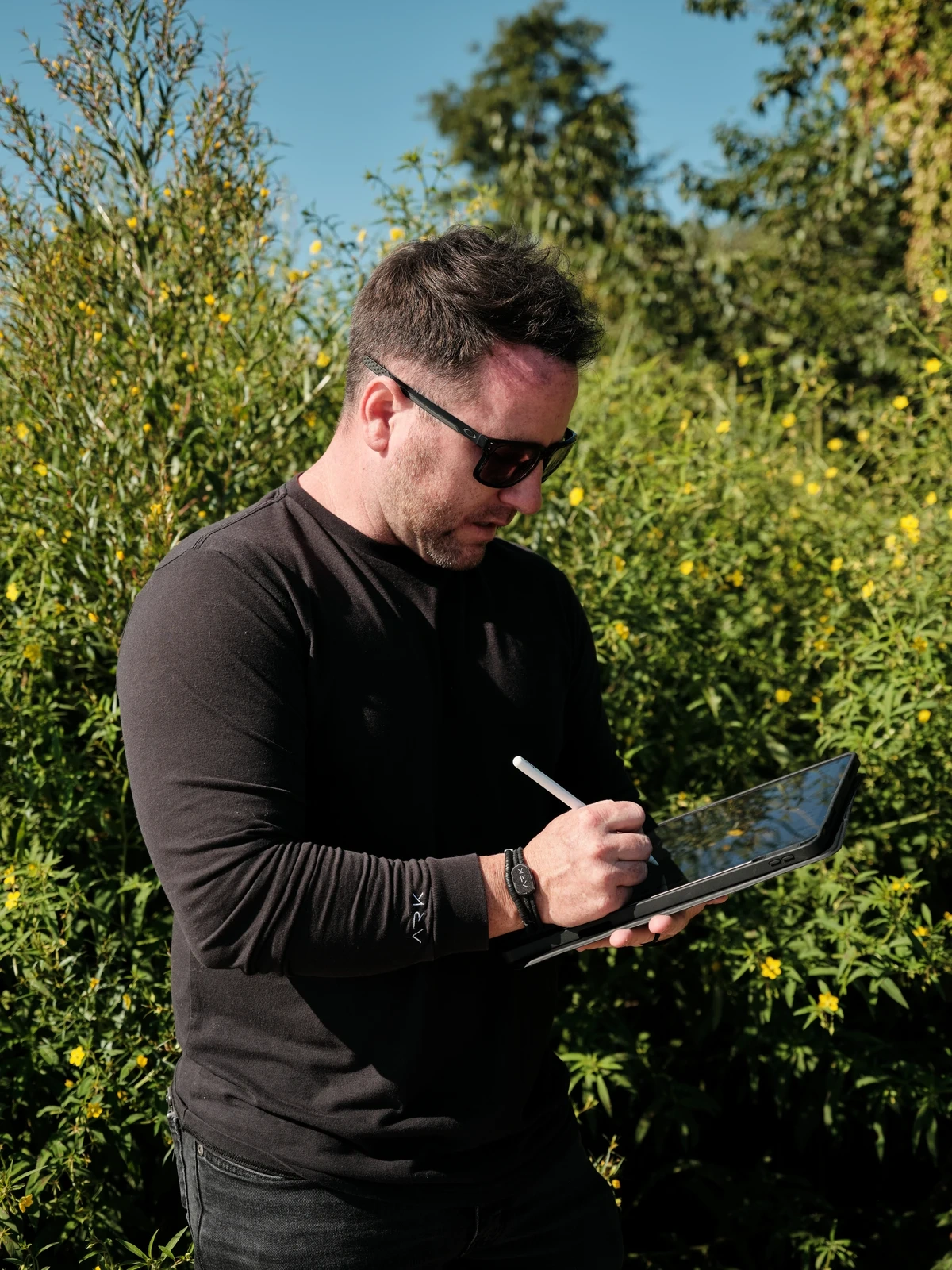
Licensed Landscape Horticulturist” isn’t just a title. It represents specialized education in plant science, soil relationships, and growing conditions. It’s the difference between educated recommendations and hopeful guessing.

In 19 years of Licensed Landscape Horticulturist practice across Madison County, I’ve watched patterns emerge. Certain plants fail predictably in certain spots. Others thrive unexpectedly. This accumulated knowledge—combined with formal horticultural training—prevents the trial-and-error that costs Madison homeowners thousands in failed plants.

ARK Design + Build is the only firm in Madison combining ICPI certification (for hardscape) and Licensed Landscape Horticulturist expertise (for plants). Complete landscape solutions for Madison County, backed by credentials that actually matter.

If you’re considering native plants for your Madison, Mississippi property, I’d welcome the opportunity to look at your specific conditions and recommend species matched to your site. Your landscape should bring joy, not frustration.
Let's Create Something Beautiful in Madison County

A successful native landscape starts with understanding your Madison property—sun exposure, soil characteristics, drainage patterns, what you want to accomplish.

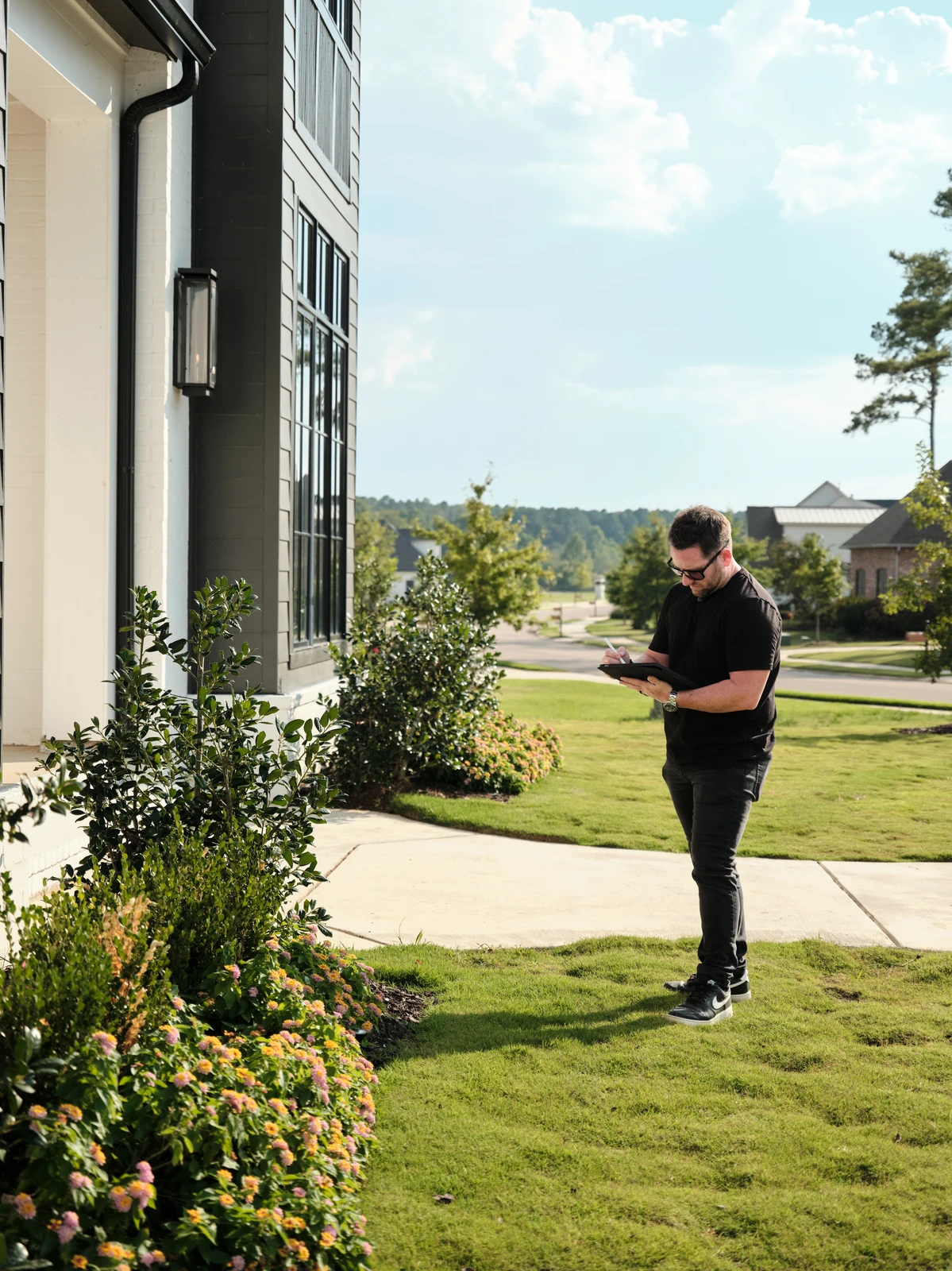
As a Licensed Landscape Horticulturist serving Madison County for 18 years, I can evaluate your site and recommend native species proven to thrive in your specific Mississippi conditions. Not guesses. Not experiments. Proven selections based on extensive local experience throughout Madison, Ridgeland, Canton, and the Jackson metro area.

ARK Design + Build specializes in design-build landscape services that integrate native plants for beauty, sustainability, and dramatically reduced maintenance. Whether you’re planning a complete Madison County landscape transformation or adding natives to existing gardens, let’s talk about what’s possible.
Schedule Your Consultation

Complete Form Below

Below are just a few details to complete and we'll reach out and connect with you as soon as possible.

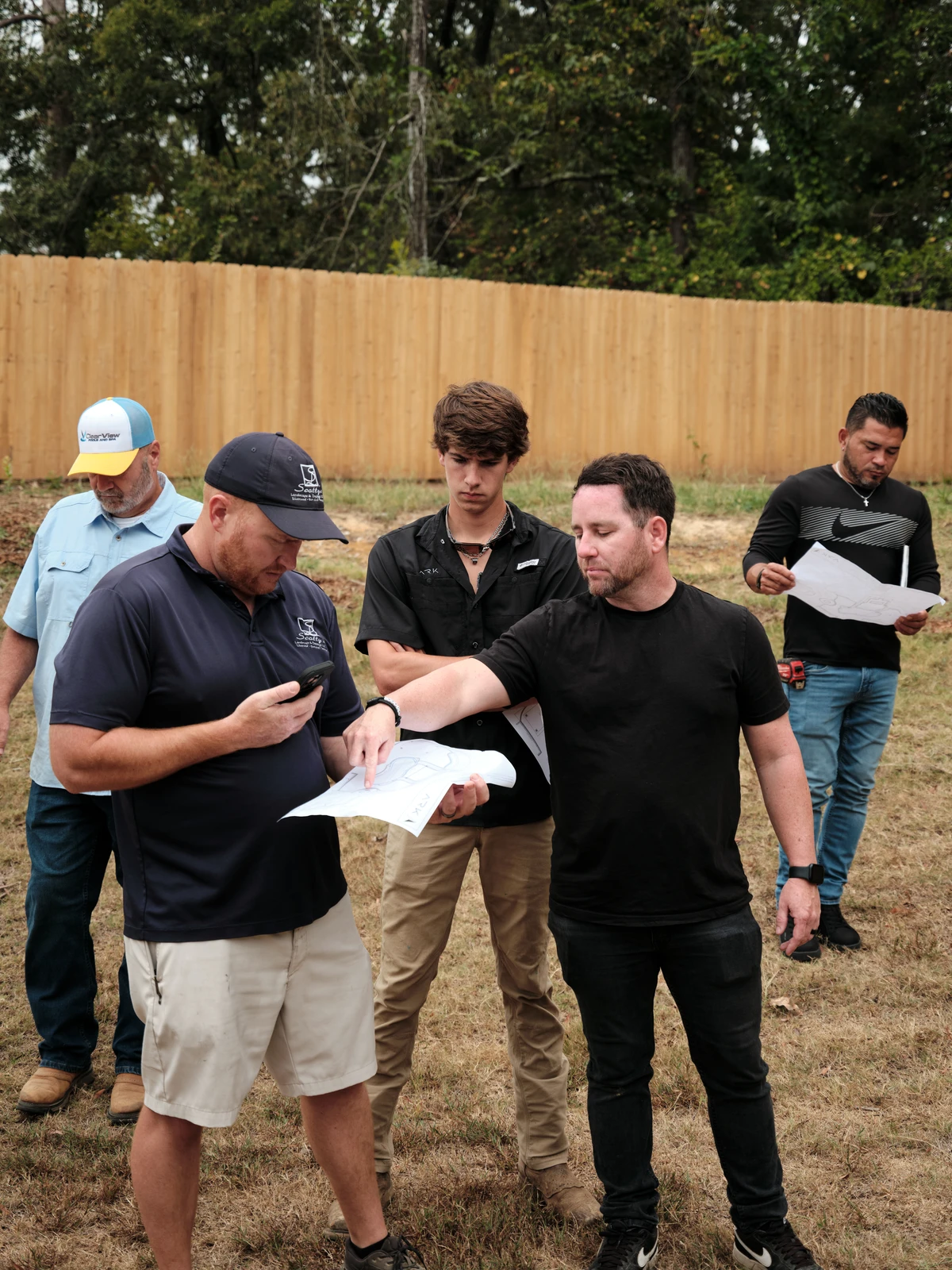
Team reviewing construction plans outdoors

Your literally seconds away from starting toward making your landscape dream a reality.

Please take a quick moment to complete the form.

Or Call(601) 750-4611

Mississippi Native Plants Guide